In a world of deadlines, exams, and high expectations, many students are experiencing high levels of stress. Globally, academic stress is a serious issue among students that has been rapidly increasing since 2013.
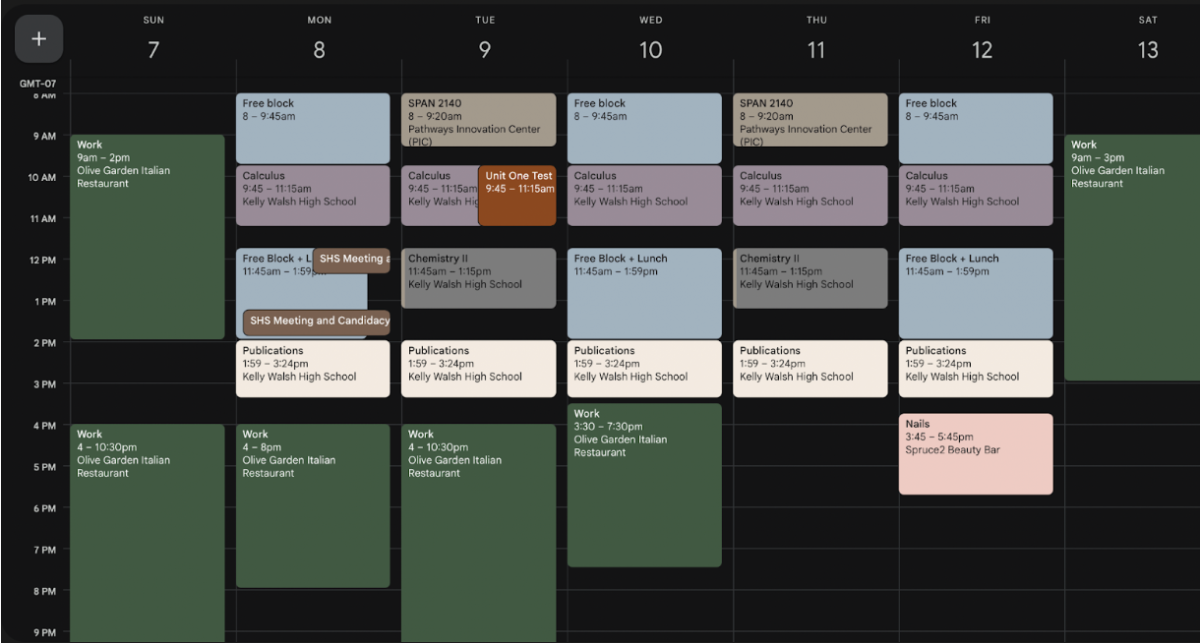
“Because I have so much work and not a lot of time from extra curriculars. My grades are not as good as they could be.” said, Kayla Higgins, a sophomore.
This insight is indicative of the feelings of students across the world with reportedly 60% of students reporting negative emotions surrounding school.
According to Yale News, “the most common emotion students reported was tired (58%). The next most-reported emotions — all just under 50% — were stressed, bored, calm, and happy. The ratings scale supported the findings, with students reporting feeling stressed (79.83%) and bored (69.51%) the most.”
“It affects me a lot…especially with softball and work”. Vanessa Macias, a sophomore, said.
Her comment underscores the unique experiences of students with extra curricular activities including sports and jobs. Many classes require homework which can affect performance in extracurricular activities. Homework can not only affect extra curricular performance, it can also harm students academically. This harm leads to students struggling to make the decision between schoolwork and extracurriculars.
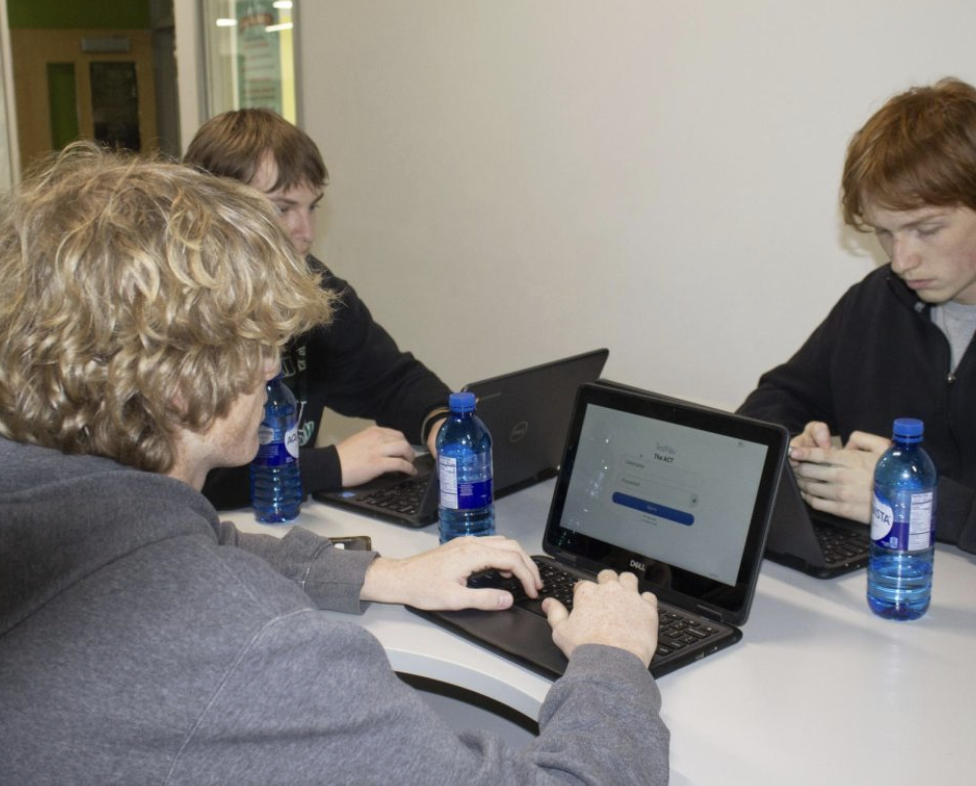
According to “Students are Feeling Burned out”, “changes in levels of cortisol, a hormone associated with stress, during weeks of standardized testing hurt how students… performed”(Nagelhout). The study by Harvard Graduate School of Education, provides further evidence on the effects of stress on students especially during testing. This survey revealed that students had 15% more cortisol present than on days without standardized testing.
According to another Harvard study regarding stress’s harm on students, ”kids coming from more stressful neighborhoods, with lower incomes and more incidents of violence, were most affected.” This suggests the potential origins of some students’ stress and how it may be disproportionately affecting marginalized students.
According to a study conducted by the World Health Organization, overall anxiety among young adults has been on the rise with a 52 percent increase over the past three decades. This is especially true among young people, specifically those aged 10-24 who are the most common group reporting heightened levels of stress.
According to Jeffery Birk, author of “Stress in Teens,” a study published by Columbia University, said that stress can, “raise blood pressure, making you more susceptible to heart attack or stroke, increased inflammation in the body, weakening your immune response and making you more susceptible to illness and viruses”. Heart issues associated with stress can be amplified by the amount of caffeine a student consumes daily as well as the amount of sleep and physical activity a student is getting.
The FDA recommends a maximum of 100 milligrams of caffeine a day for persons under eighteen. However, many popular energy drinks contain almost double this limit . On average, 40 percent of high school students report consuming energy drinks on a regular basis.
According to ‘Caffeine Intake Mediates the Relationship Between Problematic Overstudying and Psychological Distress,” a study conducted by the University of Puerto Rico, academic stress directly correlates with increased caffeine consumption. Among students in this study, 28 percent reported that they consumed caffeine to help with long study sessions.
This could be a contributor towards some students’ elevated levels of stress in regards to academics.